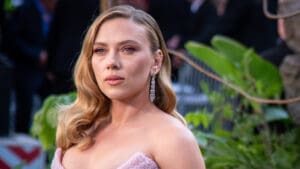
Scarlett Johansson and Cate Blanchett are among hundreds of actors, musicians and writers backing a new campaign accusing artificial intelligence companies of unlawfully exploiting creative work to train their systems.
The campaign, titled “Stealing Isn’t Innovation”, launched on Thursday with the support of around 800 creative professionals, including the band R.E.M. and bestselling author Jodi Picoult.
In a joint statement, the signatories accuse technology companies of using copyrighted material “without authorisation or regard for copyright law” to build commercial AI platforms.
“Artists, writers and creators of all kinds are banding together with a simple message,” the statement said. “Stealing our work is not innovation. It’s not progress. It’s theft — plain and simple.”
The campaign urges AI developers to pursue licensing agreements and partnerships with rights holders rather than scraping creative content from the open web. It also acknowledges firms that have already taken that approach. OpenAI, the developer of ChatGPT, has signed licensing deals with organisations including Disney and The Guardian, while Warner Music Group has reached an agreement with AI music generator Suno.
Despite these deals, copyright remains one of the most contentious issues in the AI boom. Large language models and image generators rely on vast datasets drawn from online text, images and audio to generate responses. Many creators argue this material is protected intellectual property and should not be used without consent or compensation.
AI firms, including OpenAI, have countered that using publicly available data falls under “fair use”, a doctrine in US law that permits limited use of copyrighted material without permission in certain circumstances. The argument is now being tested in courts, with dozens of lawsuits filed in the United States over the past two years.
Johansson has already found herself at the centre of the debate. In 2024, she accused OpenAI of using a voice that closely resembled her own for a ChatGPT assistant, saying she was “shocked, angered and in disbelief”. The company subsequently removed the voice.
Other high-profile supporters of the campaign include actor Joseph Gordon-Levitt, Breaking Bad creator Vince Gilligan and singer Cyndi Lauper. Gilligan previously described generative AI as “the world’s most expensive and energy-intensive plagiarism machine”.
The initiative has been organised by the Human Artistry Campaign, whose backers include the Writers Guild of America, the Recording Industry Association of America and actors’ union SAG-AFTRA, which went on strike in 2023 partly over concerns about AI use.
The debate is also intensifying in the UK. The government has faced criticism over proposals that would allow AI firms to use copyrighted material without prior permission unless creators explicitly opt out. The technology secretary, Liz Kendall, said this month that ministers were seeking a “reset” on the policy, with an official review expected to be published in March.
As AI adoption accelerates across media, entertainment and publishing, the campaign signals a growing push by creators to assert control over how their work is used — and to ensure that the next wave of technological innovation does not come at their expense.
Read more:
Scarlett Johansson and Cate Blanchett back campaign accusing AI firms of ‘theft’